• Home
  • Water Damage Remediation
  • Mold Remediation
  • Bacteria removal
  • Sewage Clean-Up
  • Blog
SANTA CLARITA WATER DAMAGE COMPANY
  • Home
  • Water Damage Remediation
  • Mold Remediation
  • Bacteria removal
  • Sewage Clean-Up
  • Blog

The Dangers of Mold

7/9/2024

0 Comments

 
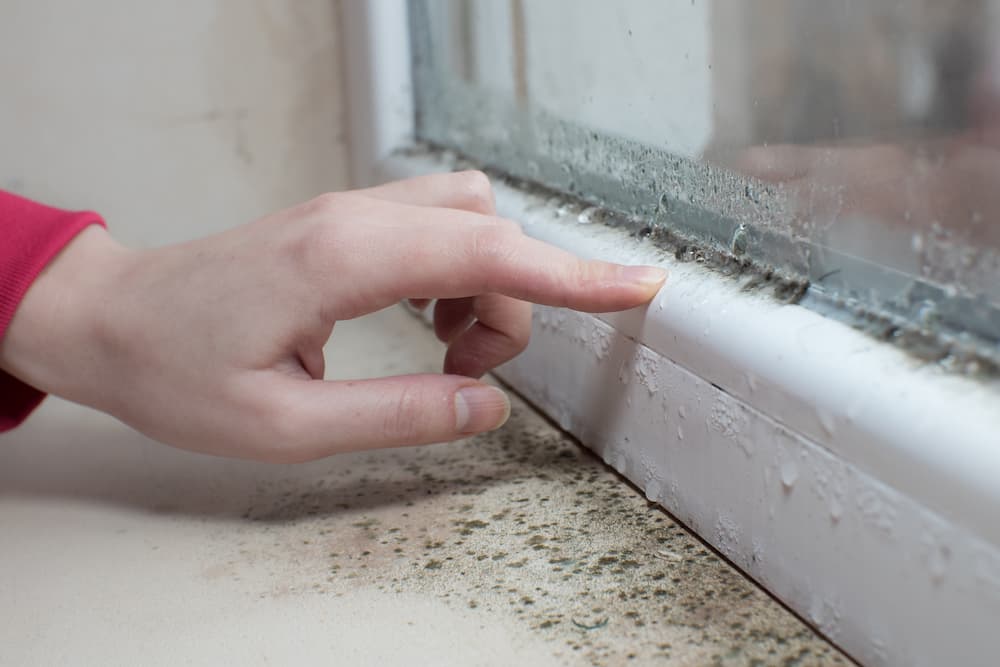
Mold in your home can present various dangers, both to your health and to the structural integrity of your property. If water damage is not properly taken care of, mold can be a result. Here are some of the key dangers:
Health Risks
  1. Allergic Reactions: Mold can trigger allergic reactions, including symptoms like sneezing, runny or stuffy nose, red and itchy eyes, and skin rashes. These reactions can be immediate or delayed.
  2. Asthma Attacks: For individuals with asthma, mold exposure can trigger asthma attacks or worsen existing asthma symptoms.
  3. Respiratory Issues: Mold spores can irritate the respiratory system, leading to coughing, wheezing, and throat irritation. Prolonged exposure can cause chronic respiratory issues.
  4. Infections: Certain types of mold, such as Aspergillus, can cause infections, particularly in people with weakened immune systems.
  5. Toxic Effects: Some molds produce mycotoxins, which can cause more severe health issues, including neurological problems and compromised immune function. Black mold (Stachybotrys chartarum) is particularly notorious for producing mycotoxins.
Structural Risks
  1. Damage to Building Materials: Mold can grow on and break down organic materials such as wood, drywall, and insulation, weakening the structural integrity of your home.
  2. Decay and Rot: Persistent mold growth can lead to wood rot and decay, which can compromise the strength and stability of wooden structures, including beams, studs, and floorboards.
  3. Aesthetic Damage: Mold can cause discoloration and staining on walls, ceilings, and floors, leading to costly repairs and renovations.
Prevention and Mitigation
  • Control Humidity: Keep indoor humidity levels below 60%, ideally between 30-50%. Use dehumidifiers and air conditioners as needed.
  • Proper Ventilation: Ensure good airflow in your home, especially in moisture-prone areas like bathrooms, kitchens, and basements.
  • Repair Leaks: Fix any leaks in roofs, walls, or plumbing promptly to prevent moisture accumulation.
  • Use Mold-Resistant Products: In areas prone to moisture, use mold-resistant drywall and paint.
  • Regular Cleaning: Clean and dry any damp or wet materials and surfaces within 24-48 hours to prevent mold growth.
If you suspect significant mold growth in your home, it's often best to consult a professional for inspection and remediation.

​


Picture
0 Comments


Leave a Reply.

Site powered by Weebly. Managed by Bluehost
  • Home
  • Water Damage Remediation
  • Mold Remediation
  • Bacteria removal
  • Sewage Clean-Up
  • Blog